


Have you ever spotted a monarch butterfly fluttering through your garden and wondered where it came from? These bright orange and black butterflies aren’t just beautiful — they go through one of the most fascinating transformations in the insect world. In this post, we’ll explore the monarch butterfly life cycle, learn how kids can observe it up close, and share practical tips for raising monarchs at home or school.
With monarch populations under pressure from habitat loss and pesticide use, this nature project does double duty: it captivates kids with real science and helps these iconic butterflies thrive.
Ready to go hands-on? Learn how to raise butterflies from caterpillar to chrysalis to butterfly!
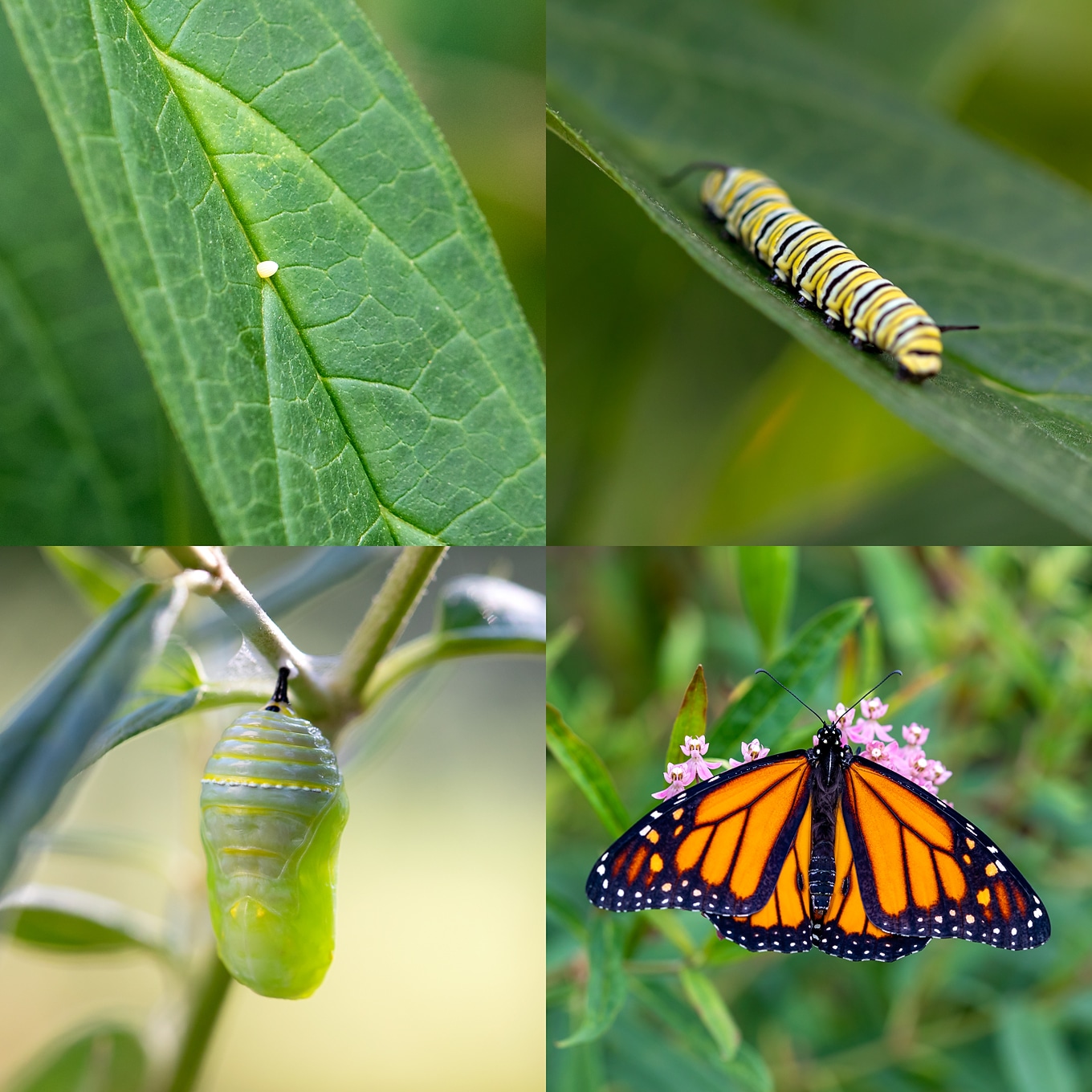
Why You’ll Love This Nature Activity
Watching a monarch transform from a tiny egg into a full-grown butterfly is one of those experiences kids simply don’t forget. Here’s why this project is so worth doing.
- The entire life cycle takes just 28–32 days, so kids see real results fast.
- Each stage offers something new to observe, keeping curiosity alive from egg to release day.
- Caring for living creatures builds empathy, responsibility, and a genuine love of nature.
- It connects beautifully to science standards around life cycles, metamorphosis, and ecosystems.
- Releasing a butterfly your family helped raise is one of those memories that sticks.
The Four Stages of the Monarch Butterfly Life Cycle
The monarch butterfly goes through complete metamorphosis, meaning it passes through four distinct stages before reaching adulthood. Each stage has its own timeline, appearance, and role in the butterfly’s development.s!
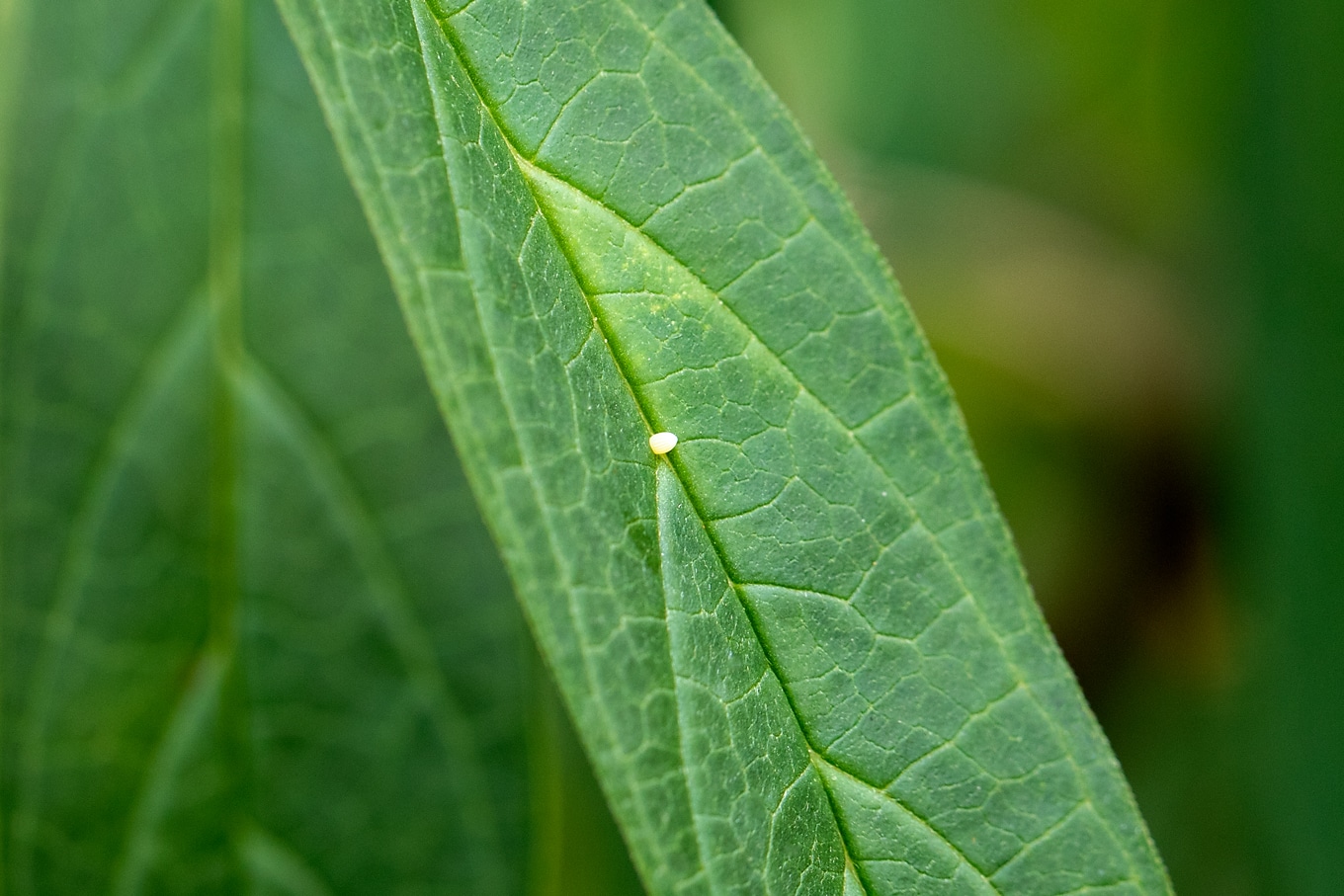
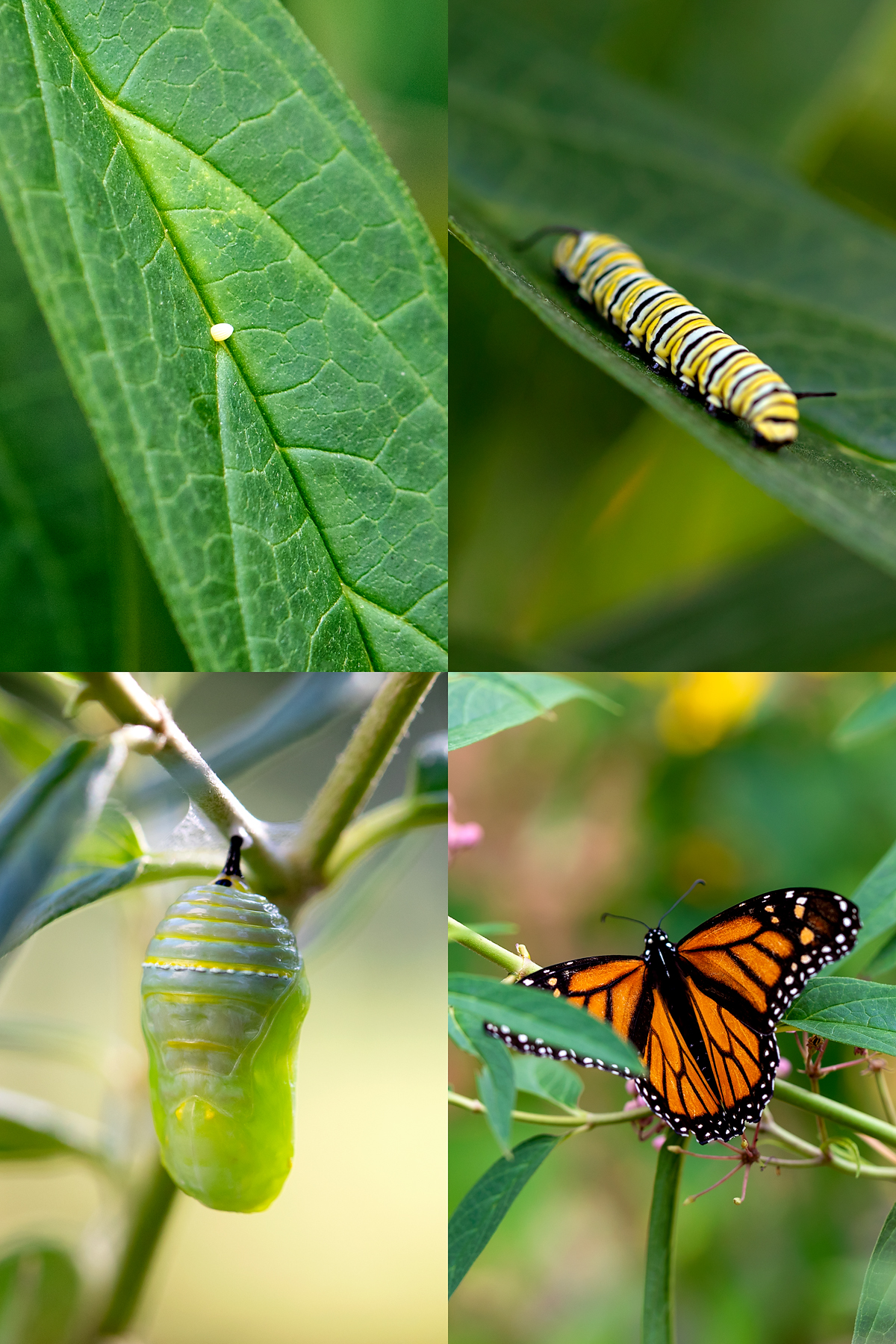
Stage 1: Egg (1–5 Days)
Female monarchs lay their eggs exclusively on milkweed plants. The eggs are small, ridged, and cylinder-shaped white to pale yellow in color. A single female can lay up to 500 eggs over 2–5 weeks. After 3 to 5 days, each egg hatches into a tiny caterpillar.
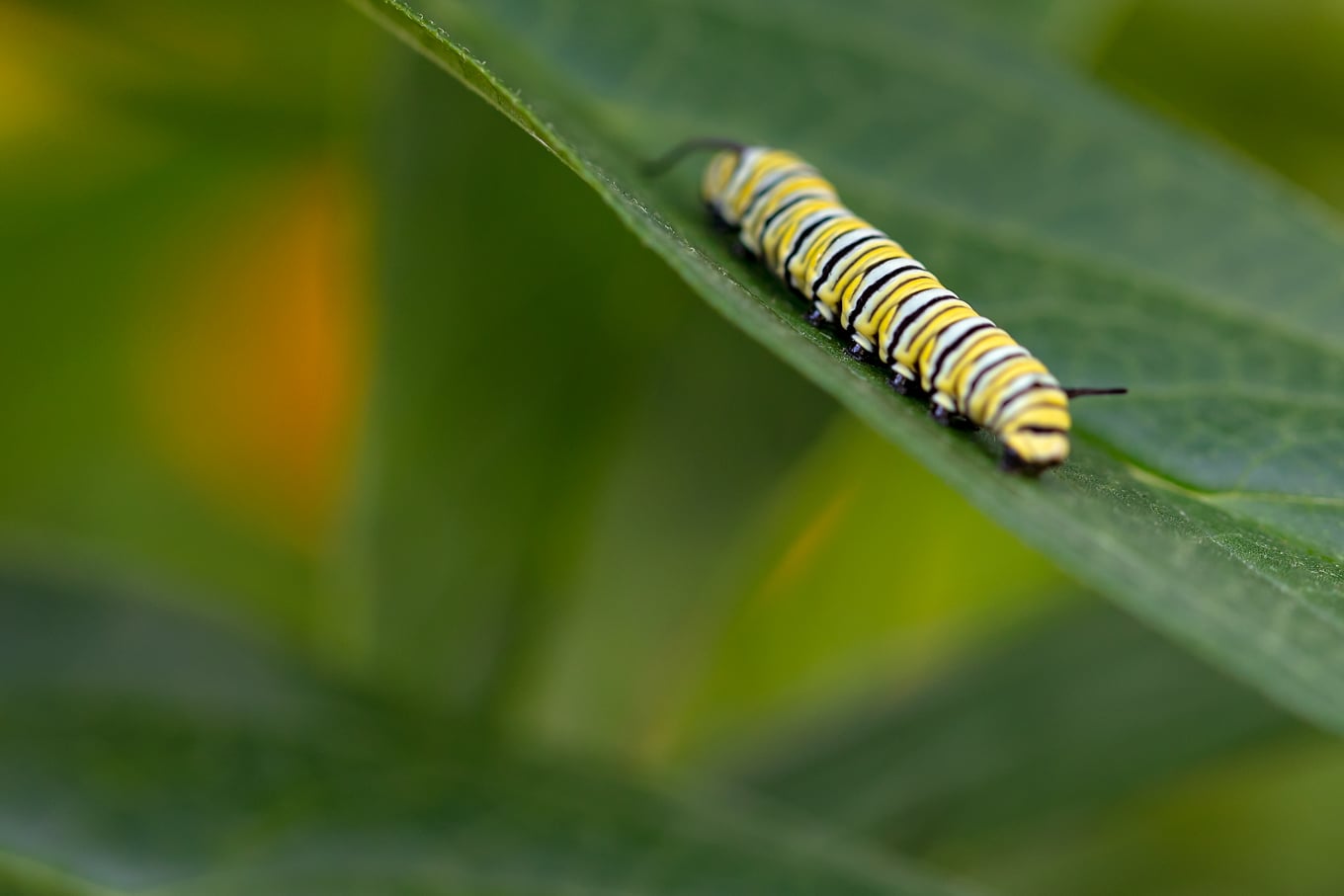
Stage 2: Larva / Caterpillar (10–14 Days)
The newly hatched caterpillar eats its eggshell before moving onto the milkweed leaf. Over the next 10–14 days, it grows rapidly, shedding its skin five times. The period between each molt is called an instar. Monarch caterpillars are easy to identify: they sport bold yellow, white, and black stripes and are almost always eating.
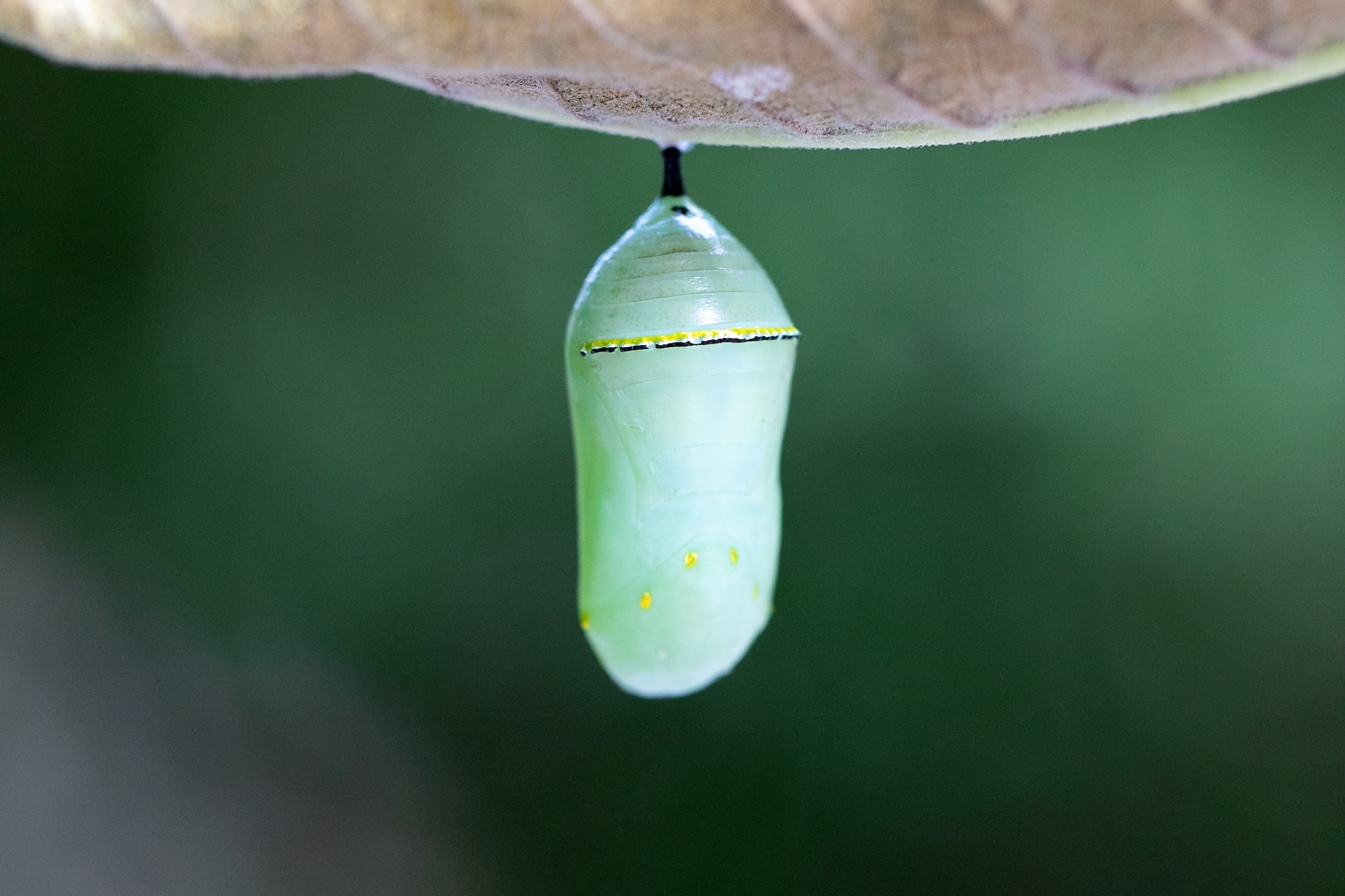
Stage 3: Pupa / Chrysalis (9–14 Days)
When the caterpillar is fully grown, it finds a safe spot to hang upside down and forms a smooth, jade-green chrysalis. This is one of the most awe-inspiring stages to watch in person. Inside, the caterpillar’s body reorganizes entirely dissolving and rebuilding into a butterfly over the course of one to two weeks.
Stage 4: Adult Butterfly
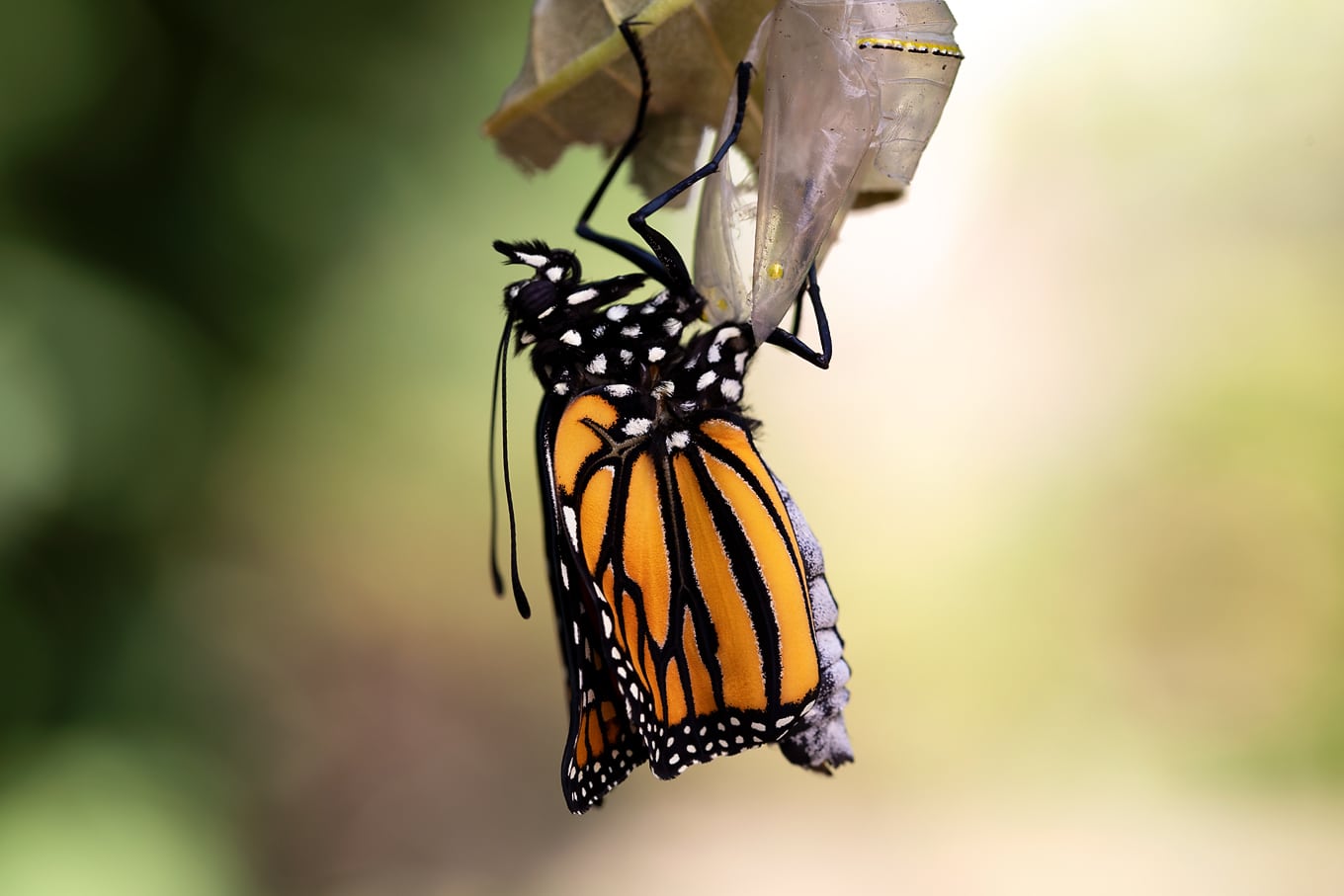
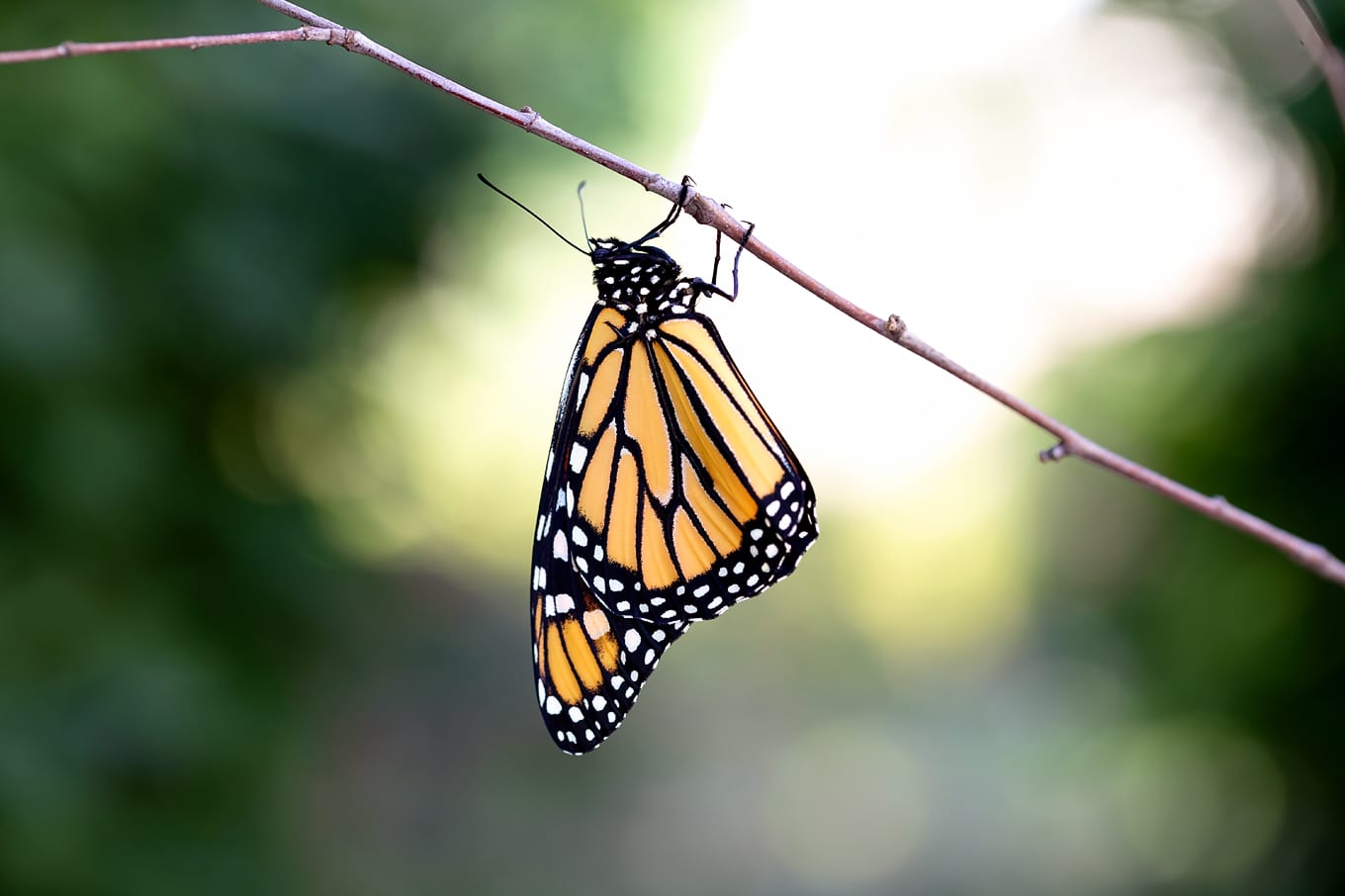
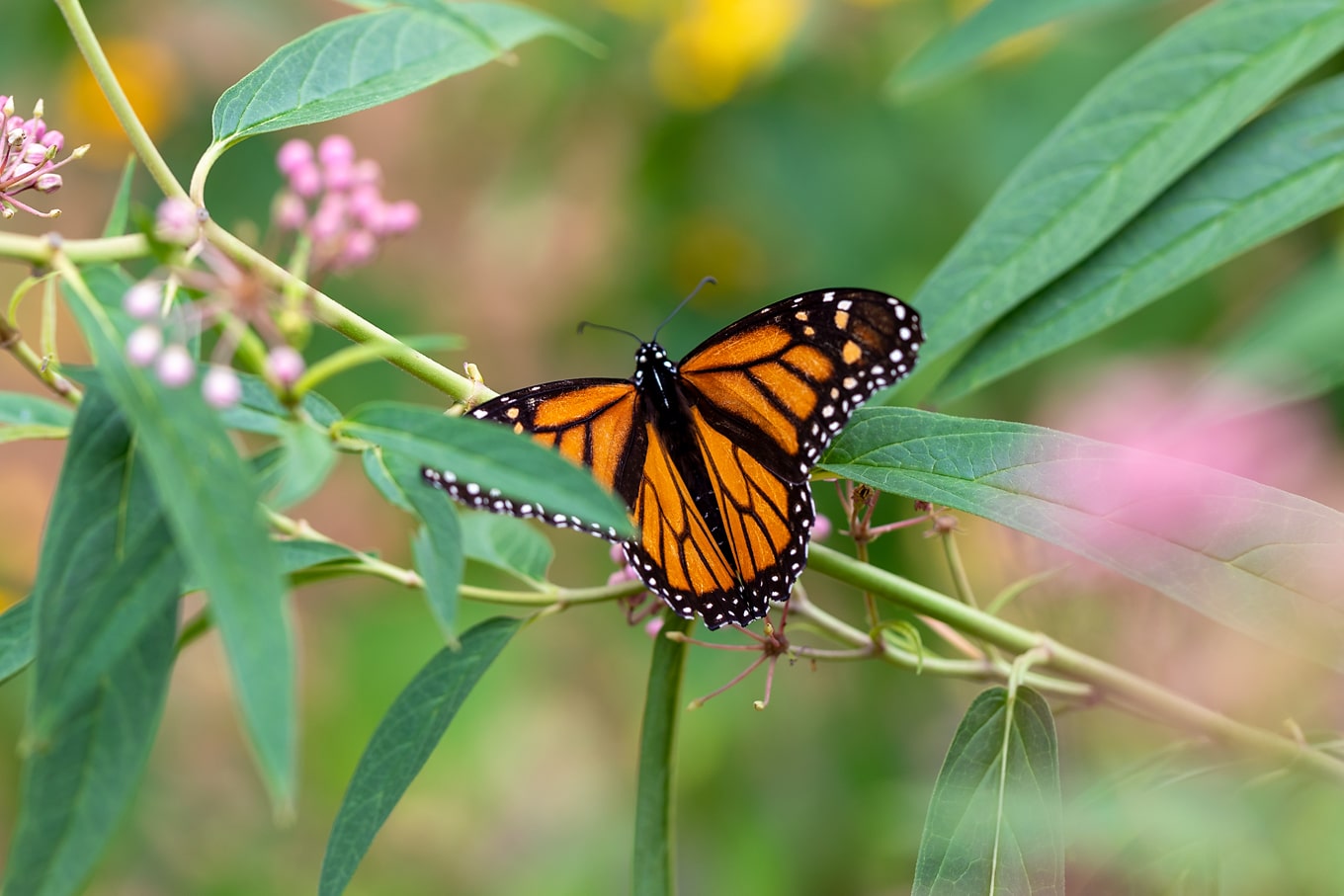
The adult monarch emerges from its chrysalis with soft, folded wings. Within a few hours, the wings dry and harden, and the butterfly is ready to fly. It will go on to feed on nectar, find a mate, and lay eggs continuing the cycle. You can tell males from females by looking for two small black dots on the hindwings, which only males have.
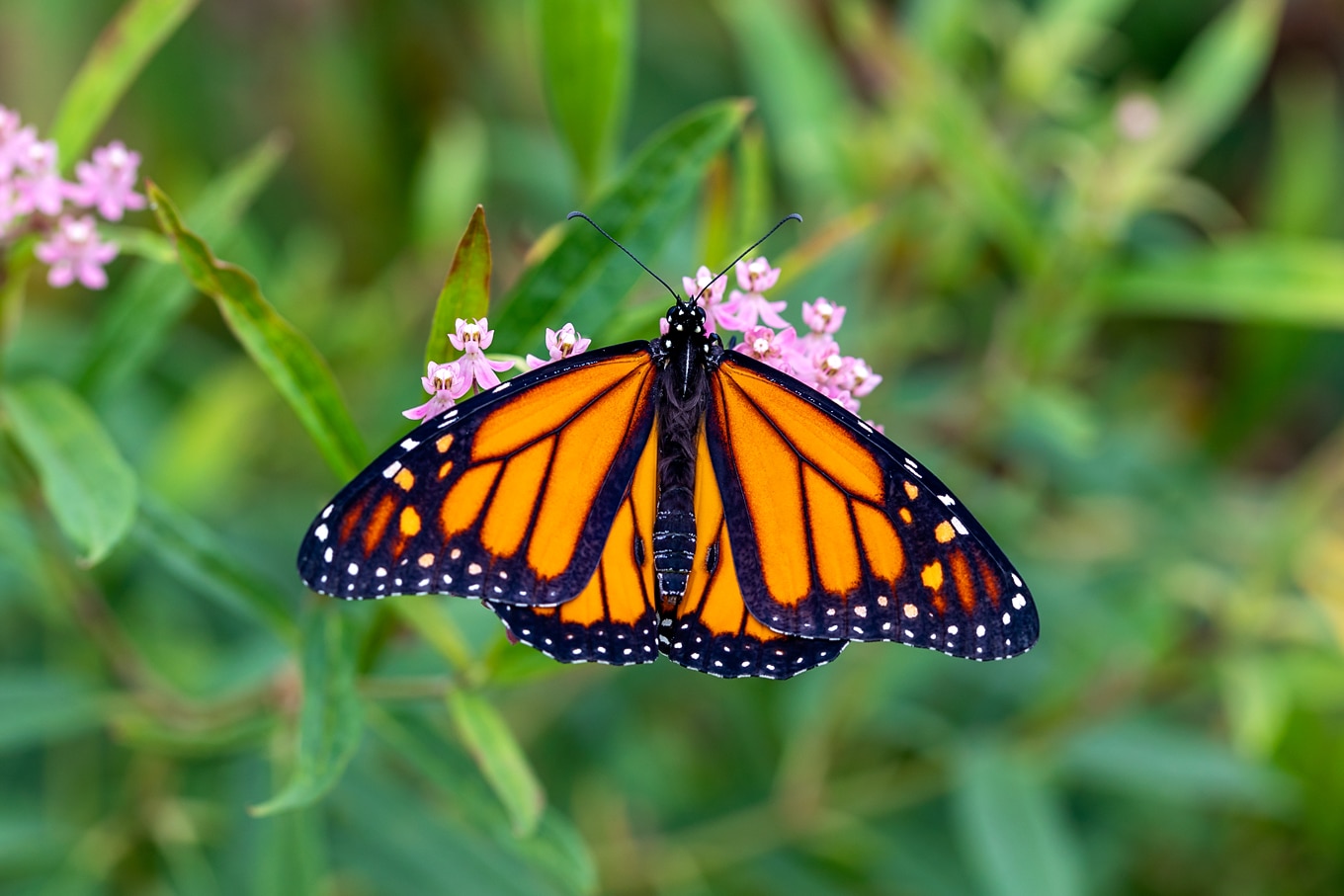
How Long Does the Monarch Butterfly Life Cycle Take?
The monarch butterfly life cycle takes approximately 28 to 32 days to complete, though timing can vary with temperature and environmental conditions.
Monarchs born at the end of summer follow a different path. Instead of immediately reproducing, these late-summer butterflies often called the “super generation” can live up to 8 months. Their extended lifespan gives them time to migrate thousands of miles south before beginning the cycle again the following spring.
Watch the Monarch Life Cycle Up Close
This video shows each stage of the monarch butterfly life cycle in real time, and it’s perfect for kids to watch before (or while!) raising their own.
How to Raise Monarch Butterflies with Kids
One of the most rewarding ways to learn about the monarch life cycle is by raising them yourself. You can collect eggs or caterpillars from milkweed in your yard and watch each stage unfold right before your eyes.
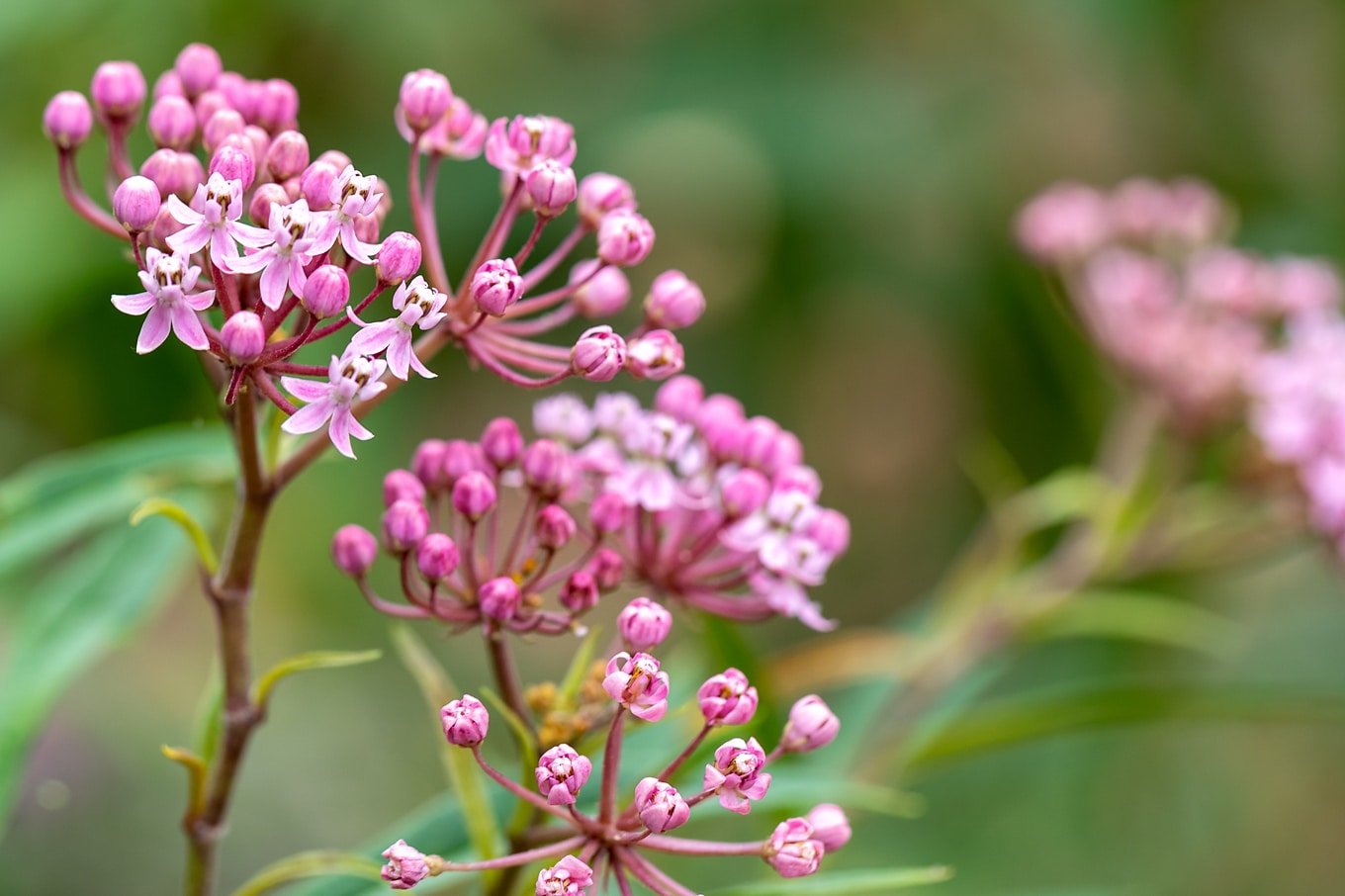
STEP 1: Collect eggs from milkweed. Monarchs lay eggs on milkweed, a native flowering perennial. Check the undersides of leaves and the buds at the top of the plant. When you find an egg, carefully cut the leaf section it’s on. If you spot a small caterpillar, pinch off the whole leaf. Handle caterpillars as little as possible to reduce the risk of injury.
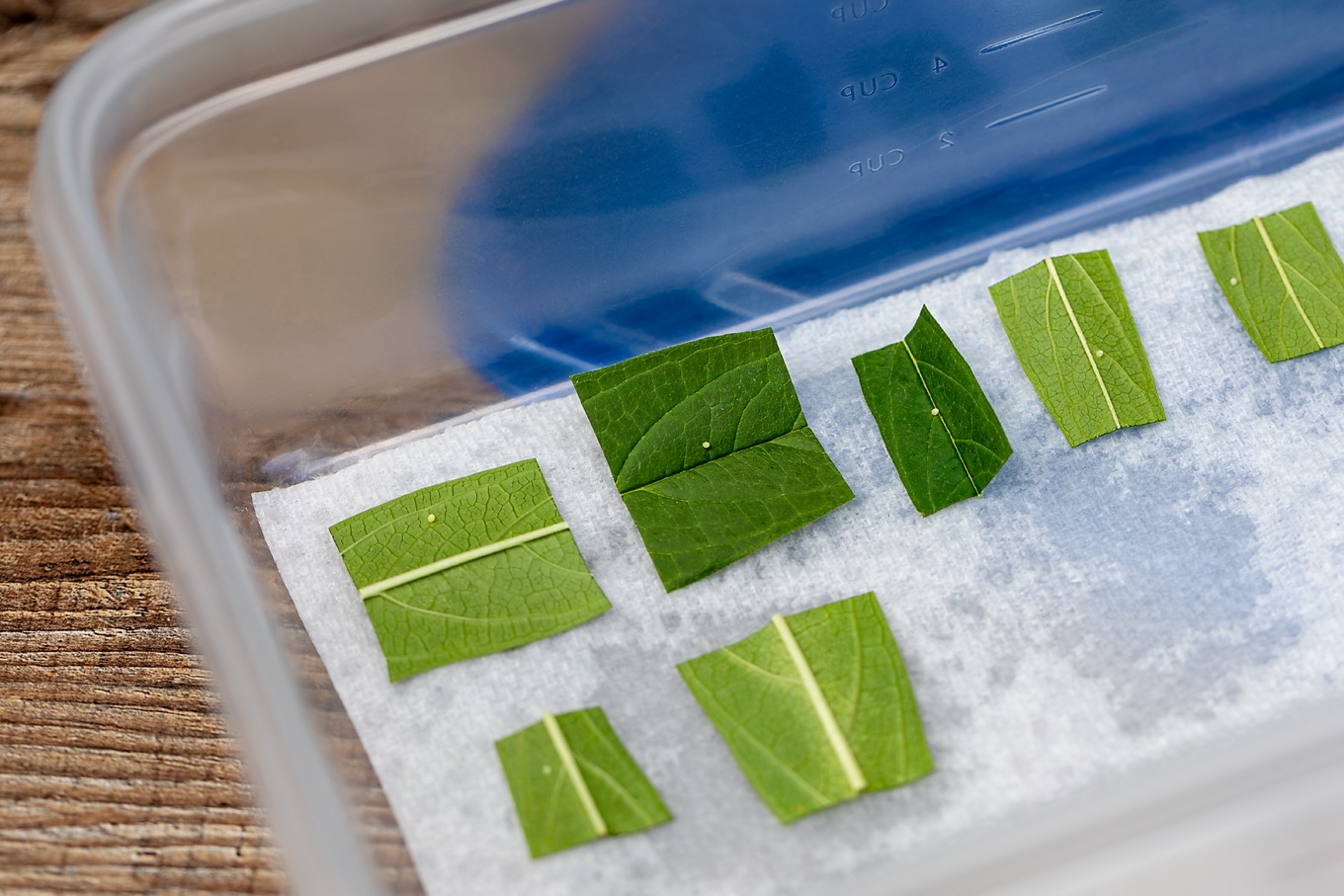
STEP 2: Make a hatchery. Line a small container with a moist paper towel and arrange the milkweed leaves inside. This keeps the leaves fresh while the eggs develop. Keep eggs and young caterpillars in separate containers newly hatched larvae like to wander.
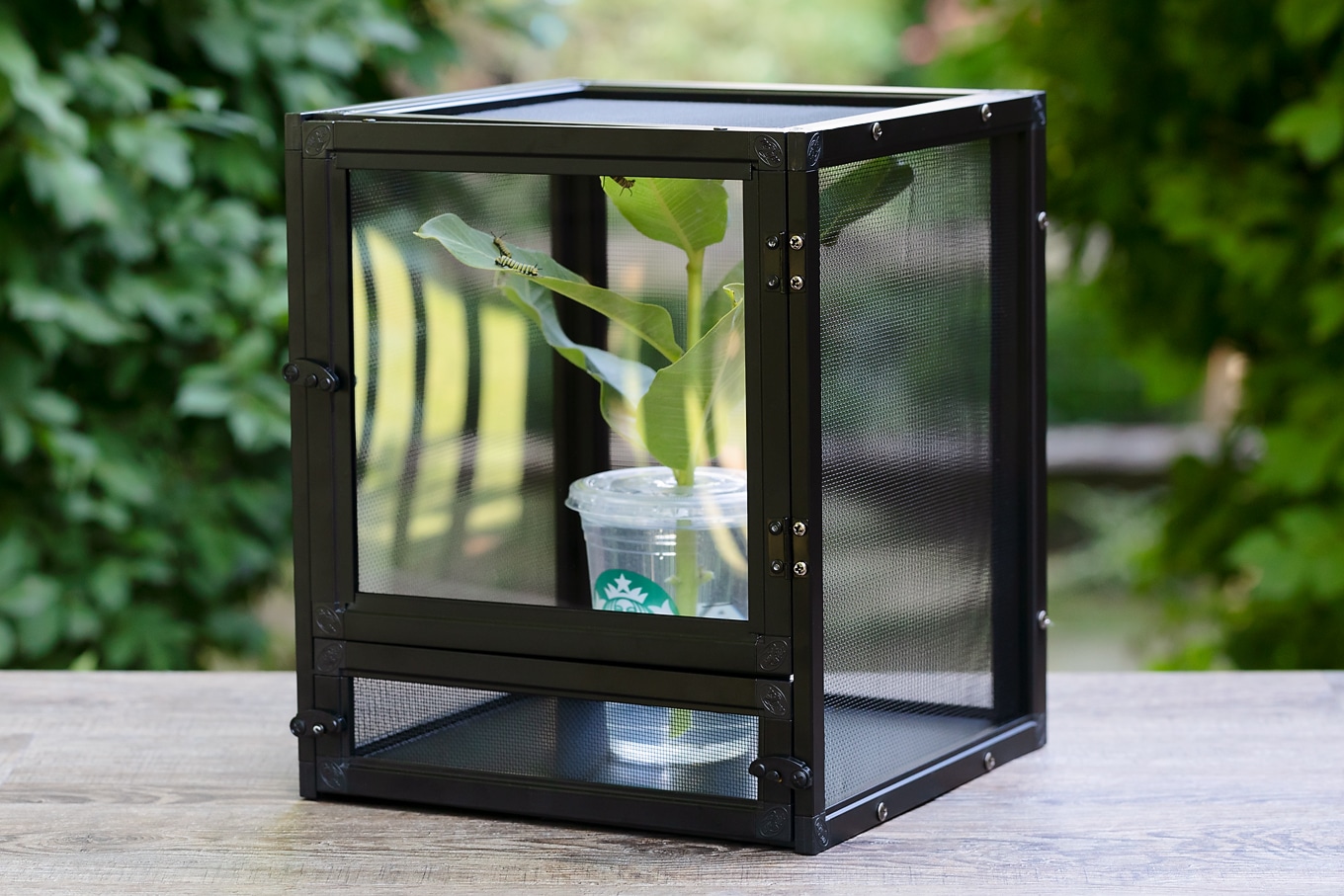
STEP 3: Move caterpillars to a larger habitat. Once the caterpillars have grown, transfer them to a roomy, well-ventilated enclosure such as a ReptiBreeze habitat. Clean the habitat often to prevent disease, and line the bottom with a moist paper towel or felt for easy cleanup. Keep the habitat out of direct sunlight and cover it during rain.
Tip: Plastic to-go cups are ideal for holding milkweed stems in water they prevent accidental drownings and make it easy to swap out fresh cuttings. See our full milkweed harvesting tips for more details.
STEP 4: Care for your caterpillars. Change the plant water daily, remove frass (caterpillar droppings), and keep fresh milkweed available at all times. When a caterpillar is fully grown, it will leave the milkweed and search for a pupation spot usually the top of the habitat. It will spin a silk button, attach its cremaster, and drop into a J-shape. After about a day, it sheds its skin one final time and forms a chrysalis. New chrysalids start soft and slightly tacky, then harden and darken over several hours.
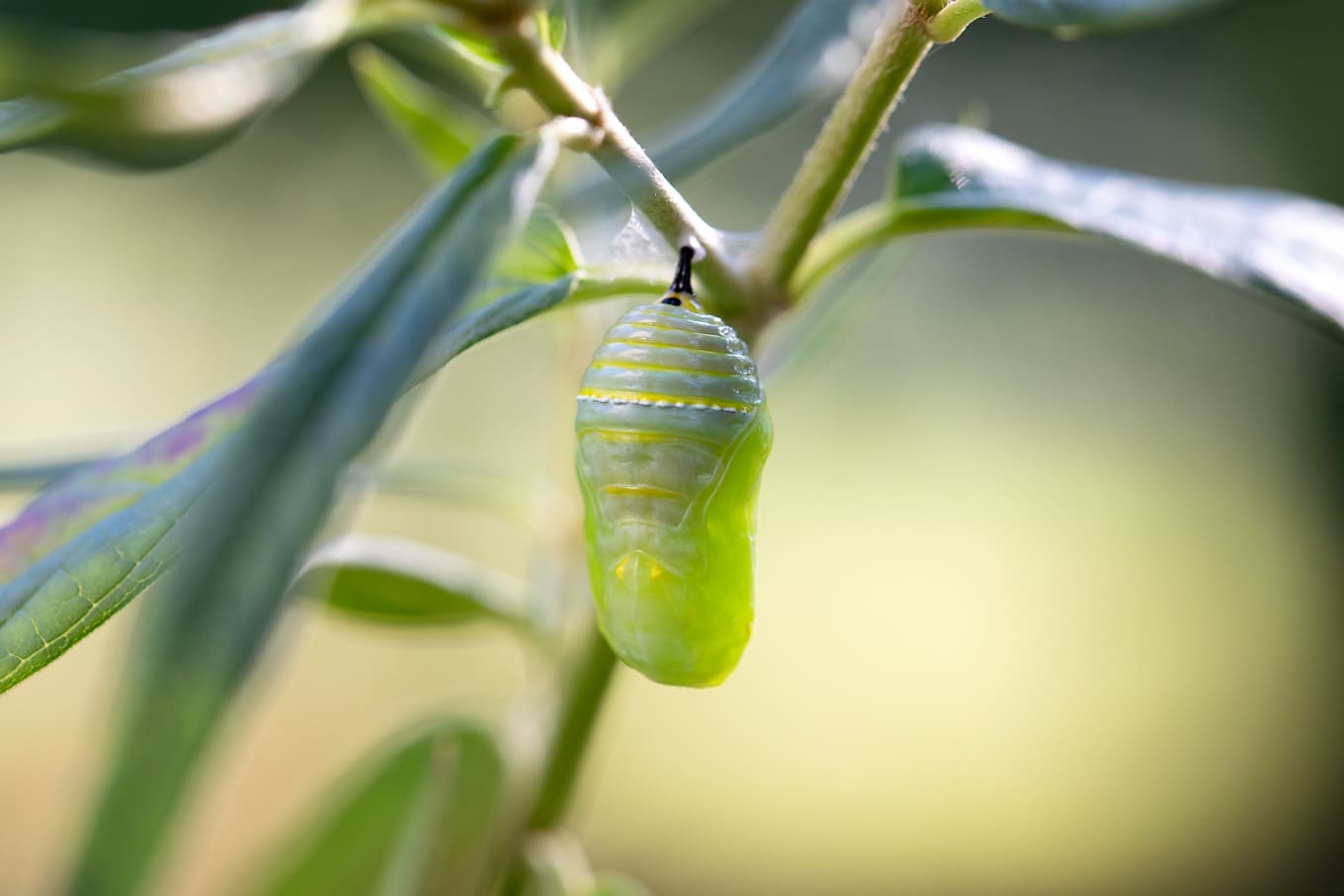
STEP 5: Watch and wait. Continue feeding any remaining caterpillars while you watch for butterflies to emerge (eclose). About 24 hours before eclosion, the chrysalis becomes transparent and you can see the butterfly’s wings and body forming inside.
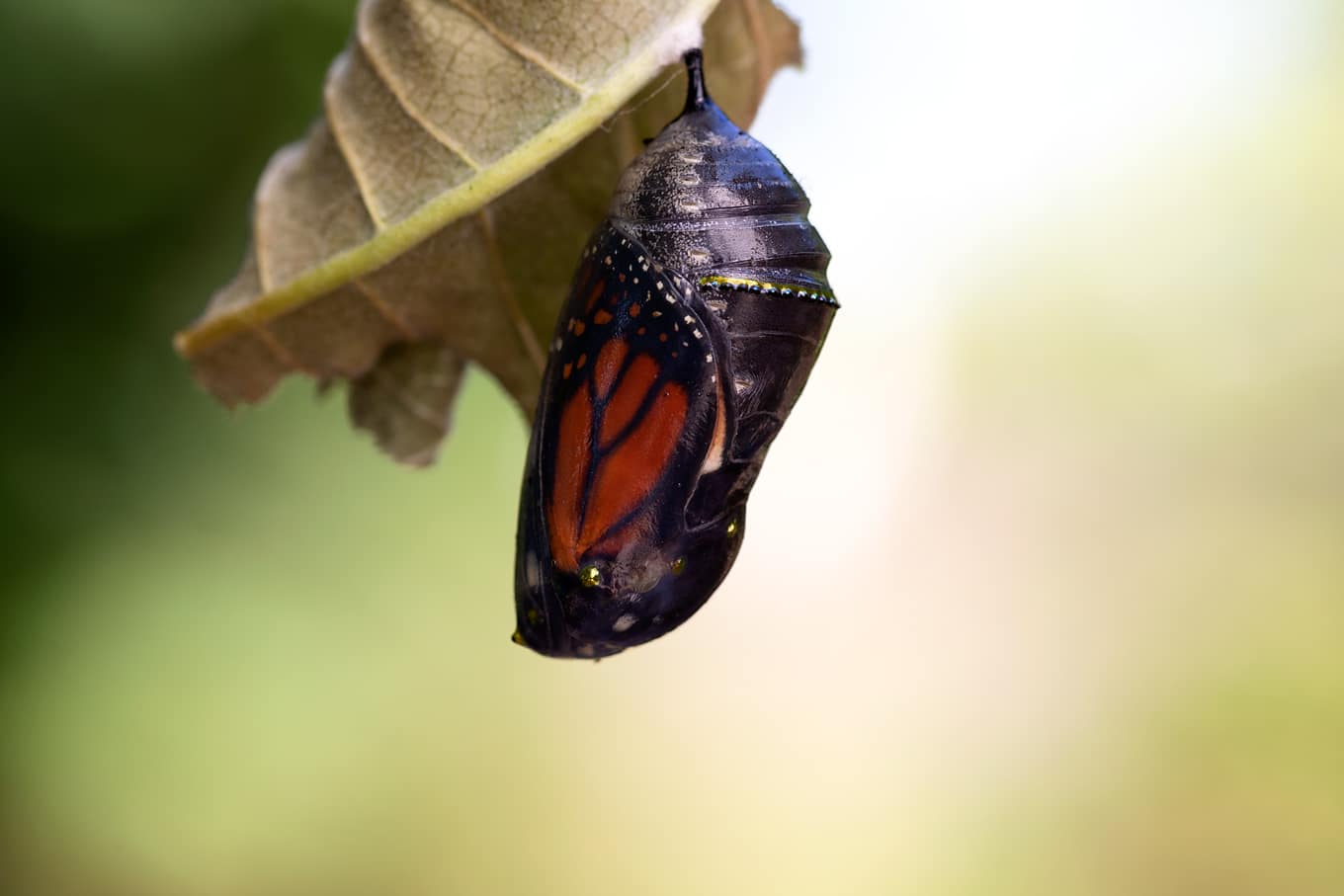
STEP 6: Release your butterfly! When the butterfly emerges, its wings will be soft, folded, and wet. Give it several hours to pump and dry its wings before releasing it outdoors. Choose a warm, calm day with plenty of nectar-rich flowers nearby.
What Is the Monarch Butterfly Migration?
Every year, monarchs in North America make one of the most remarkable journeys in the natural world. Eastern monarchs fly up to 3,000 miles to overwinter in mountain forests in central Mexico, while western monarchs travel to the California coast. Monarchs are the only butterfly known to complete a two-way migration similar to birds.
No single butterfly makes the entire round trip. The northward spring migration takes multiple generations to complete, with each successive generation moving a little farther before laying eggs and dying. Only the super generation born in late summer lives long enough to make the full trip south.
Why Monarchs Need Our Help
Monarch populations have declined sharply in recent decades due to habitat loss, widespread pesticide use, and shifting climate patterns. While recent counts have shown some encouraging signs, overall numbers remain far below historical levels. The good news: small, consistent actions add up. Planting native milkweed and nectar-rich flowers, avoiding pesticides in your yard, and creating pollinator-friendly spaces at home or school all make a measurable difference for monarchs and other pollinators.
Extension Ideas
Keep the learning going with these hands-on activities that pair beautifully with monarch observation.
- Create a monarch butterfly suncatcher. Use tissue paper and laminating sheets to craft a colorful butterfly. Download a free printable butterfly template or the Monarch Suncatcher template to get started.
- Draw the life cycle. Have kids illustrate each of the four stages egg, caterpillar, chrysalis, and adult then label them and add facts.
- Graph the timeline. Create a simple bar graph showing how many days each stage takes. It’s a natural way to connect science and math.
- Learn about butterfly anatomy. Explore the proboscis, antennae, and wing veins. Label a diagram or build a model from craft supplies.
- Read about migration. Look to the Skies: The Magical Migration of the Monarch Butterfly by Nicola Edwards is a wonderful starting point.
- Build a butterfly garden. Plant native milkweed and nectar-rich flowers to attract monarchs to your yard. You can also make a pollinator bath from a terracotta pot and saucer.
- Identify male and female monarchs. Teach kids to look for the two small black dots on the hindwings that males carry females don’t have them.
- Explore the ecosystem role. Talk about how monarchs pollinate plants and serve as prey for birds and other animals, connecting their story to the bigger web of life.
More Butterfly Life Cycle Projects for Kids
If your kids are hooked on butterflies, there are plenty of ways to keep exploring. A great next step is the Butterfly Life Cycle Craft, which walks kids through each metamorphosis stage with simple materials. For sensory learning, the Life Cycle of a Butterfly Activity reinforces the science through hands-on play. Kids who love puppets will get a kick out of the Monarch Butterfly Stick Puppet Craft, while the Wiggling Caterpillar Craft is a playful paper project for younger children just learning about the life cycle.
Save This Post
Save this nature activity to your favorite Pinterest board so you can find it later!





Want even more?
Make sure to follow on Facebook, Pinterest, and Instagram for more easy crafts, activities, recipes, and parenting tips. And don’t forget to subscribe to our emails.