
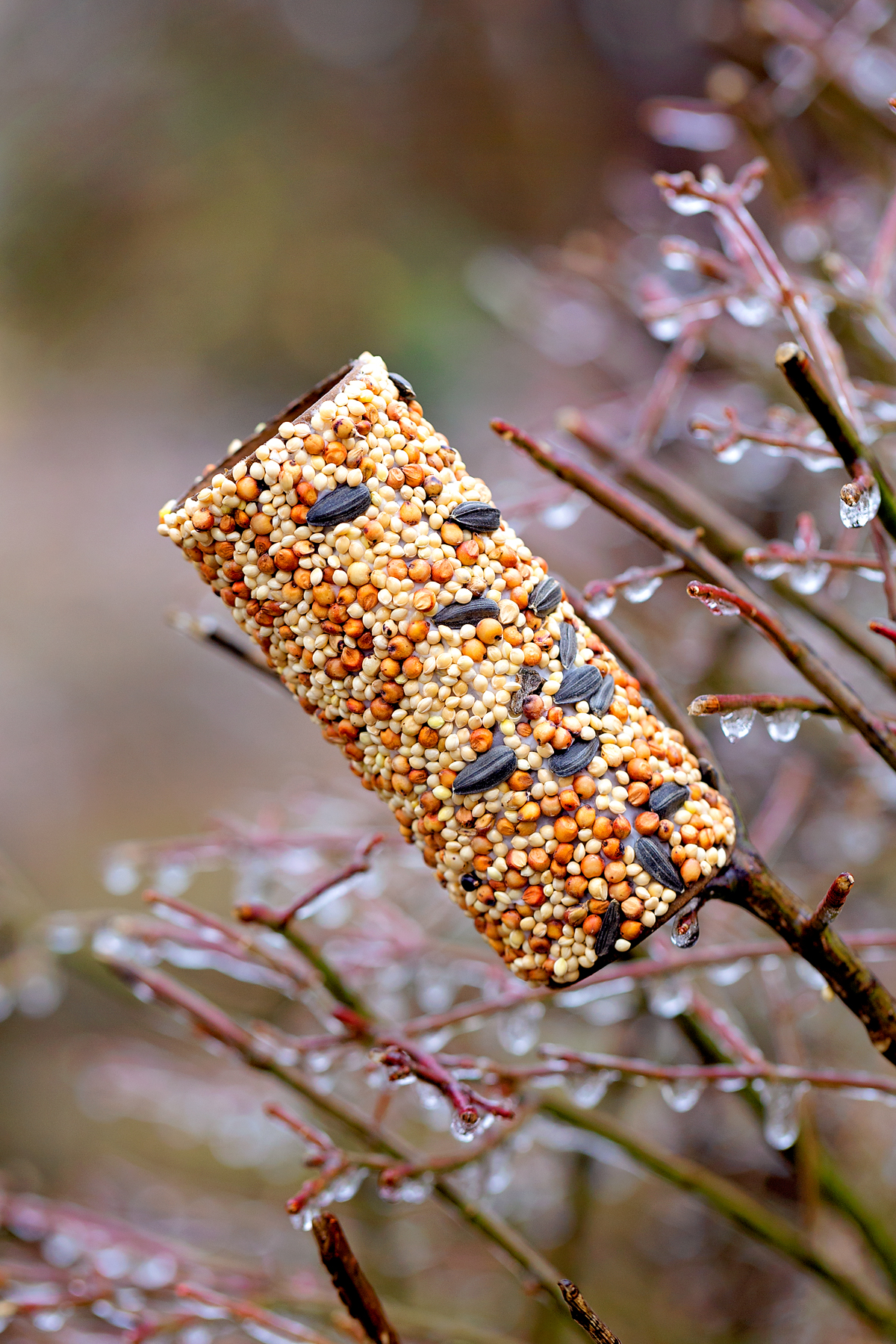
Your local wild birds will love this Toilet Paper Roll Bird Feeder—a simple, kid-friendly craft that takes just 15 minutes to make! This eco-friendly project reuses materials you already have at home and provides much-needed nutrition for backyard birds during cold weather. Perfect for preschoolers through elementary age, this craft combines creativity with nature education.
Follow along with our step-by-step directions and video tutorial to create your own!
Safety and Best Practices for Bird Feeders
Before you start crafting, it’s important to understand a few safety guidelines to keep your feathered friends healthy and happy.
Important Safety Information
Follow these guidelines to keep your birds safe:
- Temperature guidelines: Only use vegetable shortening bird feeders when temperatures stay below 50°F (10°C). Warm weather can cause the shortening to melt or spoil, which is harmful to birds.
- Never use honey: Do not use honey in any bird feeder. Honey can harbor mold and bacteria that are fatal to wild birds.
- Allergy-friendly options: If allergies are a concern, use vegetable shortening, sunflower seed butter, or coconut oil instead of peanut butter.
- Palm oil warning: The Audubon Society recommends palm oil–free vegetable shortening to protect wildlife habitats threatened by palm oil plantations.
- Always remove when finished: Cardboard tubes are biodegradable but should still be removed and recycled once birds have finished eating. Don’t leave them in trees.
Watch the Bird Feeder Craft in Action
See exactly how to make this easy toilet paper roll bird feeder step by step. In just 15 minutes, you can create a kid-friendly, eco-friendly feeder that backyard birds will love!
Bird Feeder Crafts for Kids
Spring in New York can be unpredictable—some days are warm and sunny, while others bring ice and snow. On chilly, snowy days like today, food is still scarce for many wild birds. This simple cardboard tube bird feeder takes just a few supplies and about 15 minutes to make, providing a quick, kid-friendly way to help local birds thrive.
Supplies Needed for Bird Feeder Craft
These basic supplies make this bird feeder craft easy to set up at home or in the classroom. Most items are inexpensive and may already be in your craft stash.
- Cardboard tubes
- Vegetable shortening, such as Crisco
- Butter knives or popsicle sticks
- Birdseed
- Hemp twine
Instructions for Cardboard Tube Bird Feeder
These simple instructions show you how to make a cardboard tube bird feeder using basic supplies. It’s an easy, kid-friendly activity that works well for winter or anytime bird feeding.
STEP 1: Spread the shortening. Use a popsicle stick or butter knife to spread vegetable shortening on a clean toilet paper roll. This helps make the roll water-resistant, which makes this bird feeder perfect for winter.
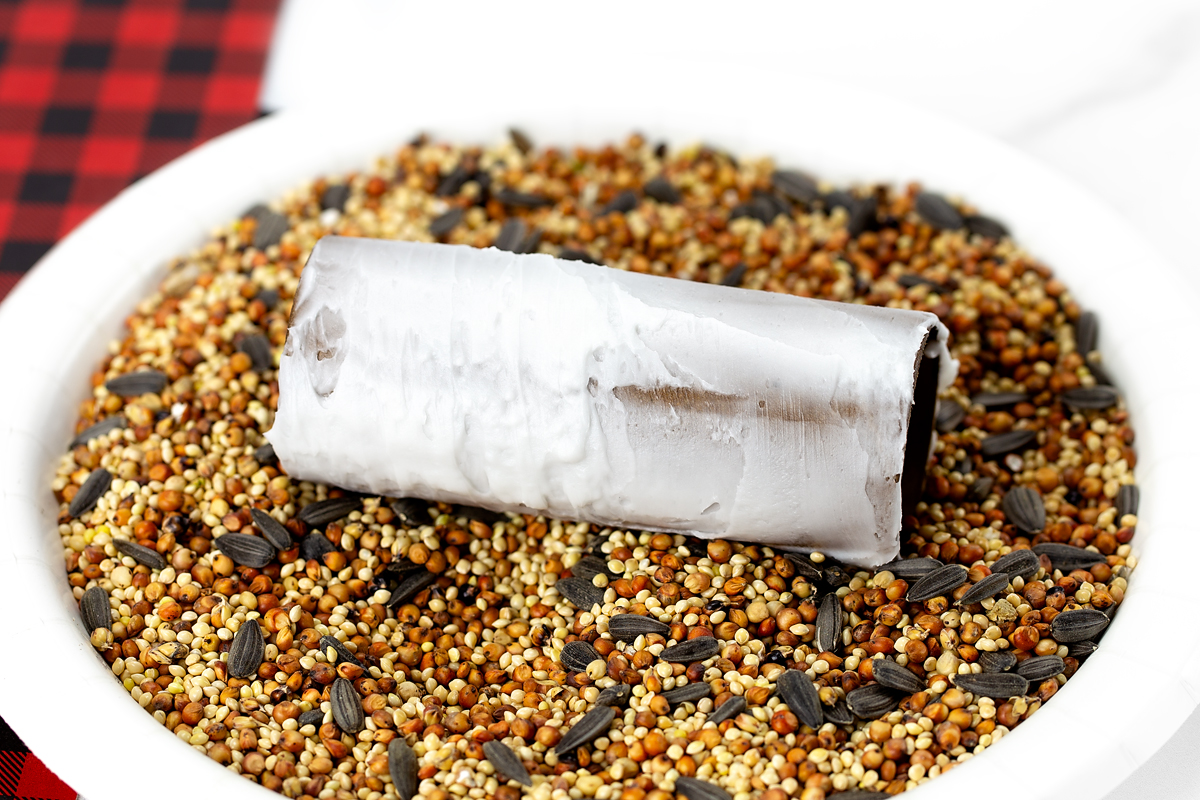
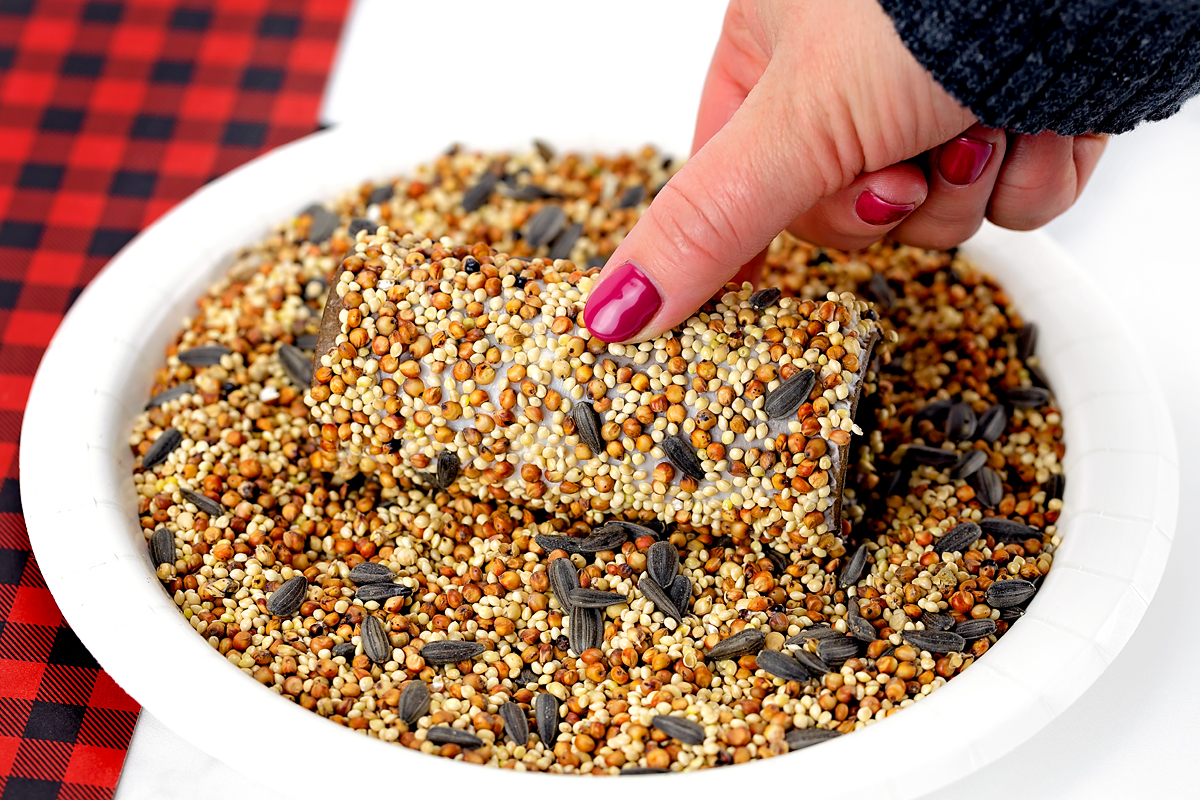
STEP 2: Add the birdseed. Roll the toilet paper roll on a plate filled with birdseed until it’s fully coated.
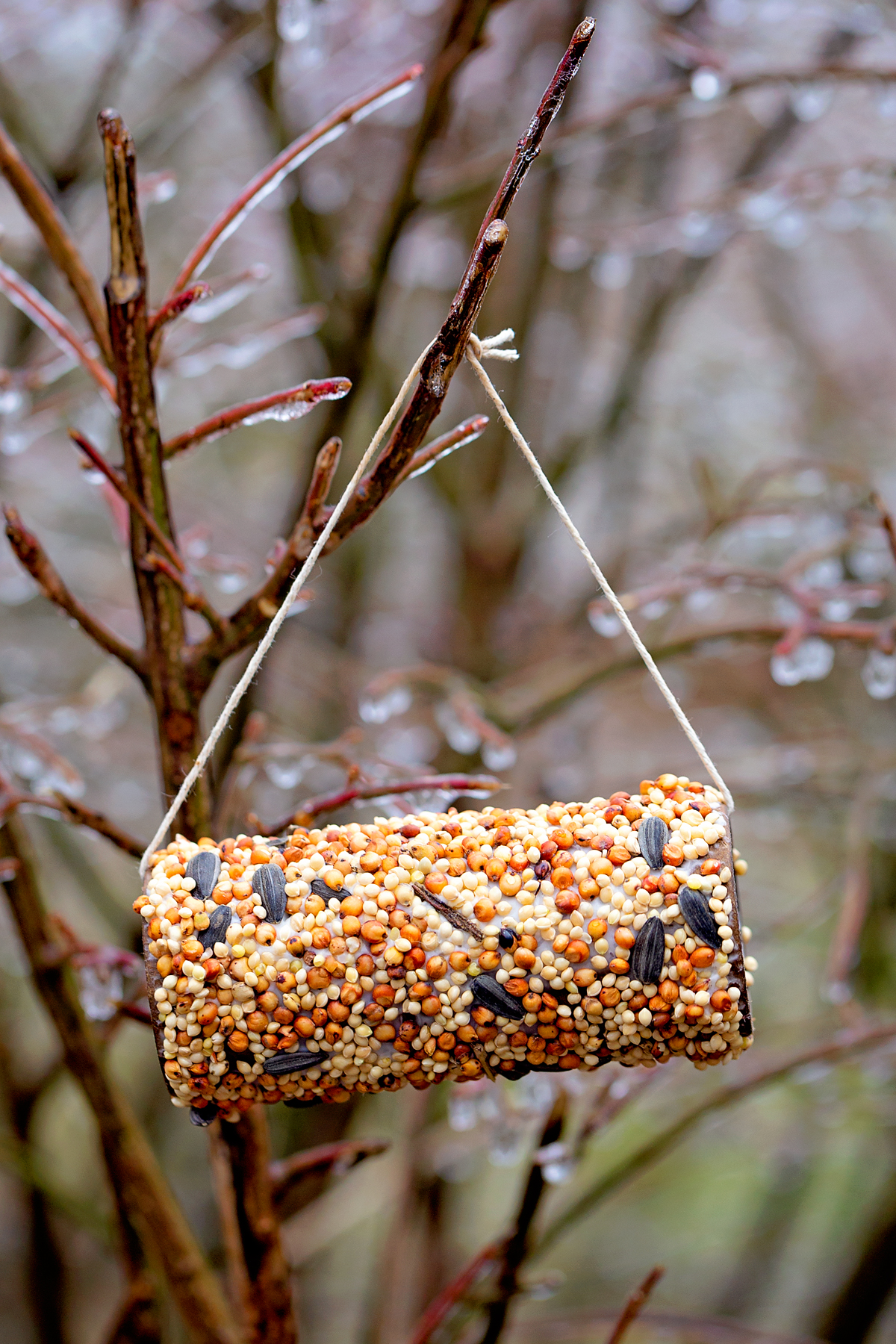
STEP 3: Add twine (optional). If desired, thread a loop of hemp twine through the toilet paper roll for hanging.
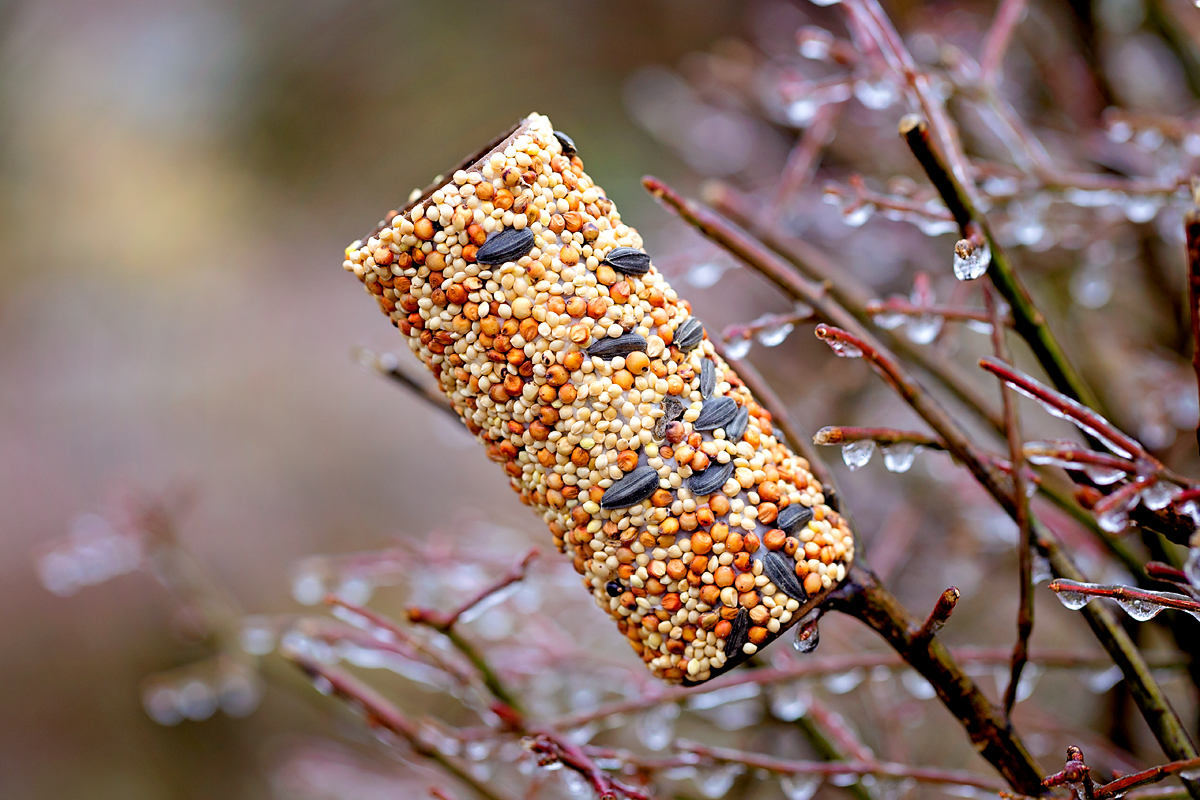
STEP 4: Hang the bird feeder. Hang the toilet paper roll bird feeder on a bush or slide it onto a sturdy branch. Birds are quick to find it, and so far we’ve seen:
- Cardinals
- Finches
- Chickadees
- Nuthatches
- Sparrows
- Grosbeaks
- Blue Jays
- Titmice
- Mourning doves
Your local birds may vary depending on where you live, but this feeder is a favorite for many common backyard species.
Tips for Success with Your Bird Feeder
Once your feeder is complete, these tips will help you attract the most birds and keep your feeder in great shape:
- Squirrel deterrent: We haven’t had squirrels on ours yet, but they may eventually find it. Place feeders away from jumping points if squirrels are a concern.
- Best time to offer: Late fall through early spring, when natural food sources are scarce.
- Seed selection: Use a high-quality mixed seed blend or black oil sunflower seeds to attract the widest variety of birds.
- Placement: Hang feeders 5–6 feet off the ground near bushes or trees where birds feel safe.
- Second use: If shortening remains after seeds are eaten, roll the tube in fresh seed for a second round.
- Fresh is best: Replace seeds every 2–3 days in wet weather to prevent mold.
Is Vegetable Shortening Safe for Birds?
Many parents and educators wonder about the safety of vegetable shortening for birds, and it’s an excellent question! When we first tried this craft at our local nature center, the naturalist explained that birds need fat during winter months for energy and to maintain body heat on cold nights.
The short answer: Yes, vegetable shortening is safe and beneficial for birds when used appropriately in cold weather.
Why Fat Matters for Winter Birds
During winter, birds burn tremendous energy staying warm. Natural fat sources like insects and protein-rich seeds become scarce. Offering high-fat foods like vegetable shortening helps birds:
- Maintain their body temperature
- Build up overnight energy reserves
- Survive harsh winter storms
Important Guidelines
- Palm oil warning: The Audubon Society recommends using palm oil–free vegetable shortening because palm oil plantations destroy critical wildlife habitats.
- Temperature rule: Only offer vegetable shortening feeders when outdoor temperatures remain below 50°F (10°C). Above this temperature, shortening can melt, spoil, or attract pests, which is harmful to birds.
Alternatives to Vegetable Shortening
- Peanut butter – Natural, unsalted, and no xylitol!
- Sunflower seed butter – Allergy-friendly for peanut-free classrooms.
- Coconut oil – Works well in moderately cold weather.
All of these options provide the healthy fats birds need during cold months!
Frequently Asked Questions
Find quick answers to common questions about this cardboard tube bird feeder.
Yes! Peanut butter works wonderfully as an alternative to vegetable shortening. It’s actually more readily available in most homes. Just make sure to use plain, unsalted peanut butter with no added sugar or xylitol (which is toxic to wildlife). Peanut butter can be used year-round in moderate climates but should still be monitored for spoilage in hot weather.
Yes, vegetable shortening is safe for birds when used in cold weather (below 50°F). Birds need fat during winter months for energy and warmth. According to the Audubon Society, vegetable shortening is a healthy fat source for wild birds. Choose palm oil-free options to protect wildlife habitats.
Black oil sunflower seeds attract the widest variety of birds, but a high-quality mixed seed blend works well too. Avoid cheap mixes with filler seeds that birds won’t eat. Waste-free blends (seeds without shells) also help keep your yard cleaner.
Typically 1–3 days depending on bird activity and weather. In cold, dry weather, feeders may last several days. In wet or humid conditions, replace them sooner to prevent mold. Once birds have eaten the seeds, you can often reuse the tube by adding more seed to the remaining shortening.
Squirrels love shortening and peanut butter just as much as birds do! While our feeders have avoided squirrels so far, clever squirrels may discover them. To deter squirrels, place feeders away from jumping distance of trees, fences, or structures, or use a squirrel baffle.
Above 50°F (10°C), vegetable shortening can soften, spoil, or attract pests. If you live in a warm climate, only make these feeders on cold days, or use peanut butter and check frequently for spoilage.
More Bird Feeder Crafts for Kids
If your children loved the toilet paper roll bird feeder, they’ll enjoy trying these other fun and easy bird feeder projects:
- Pine Cone Bird Feeder – A simple, hands-on craft using a pine cone, peanut butter, and birdseed.
- Birdseed Ornaments – Make decorative, edible ornaments for backyard birds this winter.
- DIY Winter Bird Feeders – Fun winter crafts that keep your feathered friends fed and happy.
- Snowman Bird Feeder – A festive, kid-friendly feeder that doubles as a winter decoration.
- Birdseed Ornaments Without Gelatin – Allergy-friendly and easy to make for kids of all ages.
Save This Project
📌 Don’t forget to PIN this craft! Save it to your Kids’ Activities or Nature Crafts board so you can make it anytime.
Toilet Paper Roll Bird Feeder
Ingredients
- Cardboard tube
- Vegetable shortening
- Butter knife or popsicle stick
- Birdseed
- Hemp twine
Instructions
- Spread the shortening. Use a popsicle stick or butter knife to spread vegetable shortening on a clean toilet paper roll. This makes the roll water-resistant and perfect for winter.
- Add the birdseed. Roll the toilet paper tube on a plate filled with birdseed until it’s fully coated.
- Add twine (optional). Thread a loop of hemp twine through the tube if you want to hang the feeder.
- Hang the feeder. Place the tube on a tree branch or bush where birds can easily reach it.
- Reuse if desired. If shortening remains after the birds have eaten, roll the tube in fresh seed for a second round.
Originally published March 2020. Updated January 2026 with expanded instructions, new tips, and additional ideas for creating kid-friendly bird feeders.





Kara says
I live in Florida so it sounds like we shouldn’t use vegetable shortening… any other suggestions? Maybe like peanut butter or something that won’t melt as easily?
Melissa Lennig says
Yes, try peanut butter. But definitely monitor it to make sure it doesn’t spoil. Have fun!
Emily, Hesston Public Library, Hesston, KS says
Great step-by-step and educational notes! I am going to use some of this content for a take-and-make project for families at my public library. I will be sure to credit you! Hope that’s okay!
Melanie Duke says
Please do not leave toilet paper roles or craft roles in trees, in nature. Once all the bird seed is gone all that will be left is pieces of unwanted garbage. Just use a refillable bird feeder so we don’t add extra litter to our enviroment.
Melissa Lennig says
I figured it was common sense not to leave toilet paper tubes in trees, but just in case, I added recycling as the last step of the directions. Thanks for caring about our planet.
Jeanne Haagen-Lebert says
If it’s too warm, doesn’t the shortening melt and I’ll seeds fall off? Thank you so much love your idea!
Melissa Lennig says
Yep. That’s why my directions state that this feeder is best if the temp is below 50 degrees.
LINDA says
This is the a cute easy to make bird feeder!! I just made 3 and will be making more!
Pamela Frost says
I love this idea so much! I didn’t have any bagels to make a bird feeder with and then I found your idea with the toilet paper rolls! Perfect solution!
Ashleigh says
This looks so much fun! Definitely one for the “future crafts” list!